You may be eyeing The National for its beautiful homes, country-club setting, and quick access to Kansas City. Before you fall in love with a view of the fairway, it pays to understand the HOA, club membership options, and true monthly costs. In this guide, you’ll get a clear picture of home types, fees, and due diligence steps so you can buy with confidence. Let’s dive in.
The National at a glance
The National is a master-planned, luxury golf-course community in Parkville in Platte County, just north of Kansas City. It sits along MO-45/Tom Watson Parkway and is served by the Park Hill School District. The city lists The National as one of Parkville’s signature neighborhoods, which adds helpful context for local services and planning. You can learn more about Parkville on the city’s community overview page.
The neighborhood centers on The National Golf Club, a Tom Watson–designed championship course with racquet sports, fitness, pools, dining, and social events. The club is operated by Invited/ClubCorp, which offers several membership categories and reciprocal benefits across its national network. Explore the club’s amenities on The National Golf Club site.
Homes and lot types
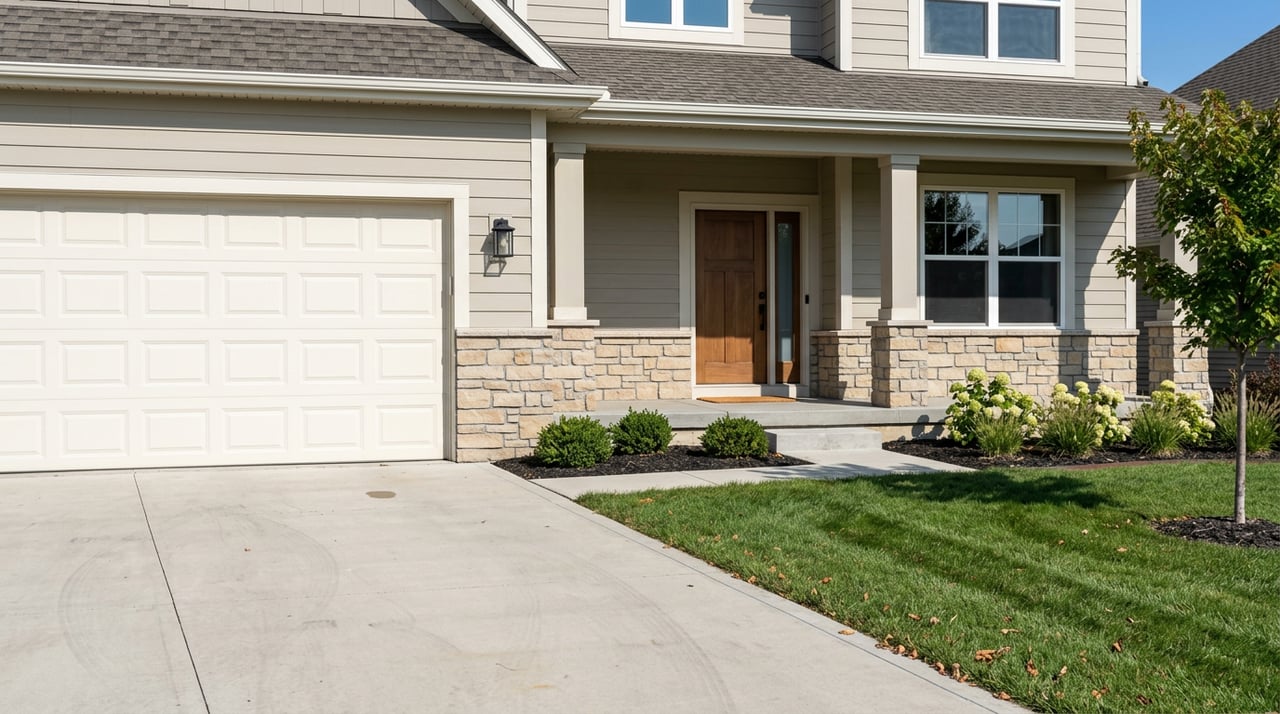
You’ll find a mix of custom single-family estates, newer custom builds from the 2010s and 2020s, and some low-maintenance sections with attached or townhome-style products. Floor plans include two-story, ranch, and reverse-ranch layouts, plus occasional vacant estate lots for custom construction. Many homes sit on generous lots, with 0.4 to 0.8 acres common around golf-adjacent areas.
Development began in the late 1990s and has continued in phases. That means you’ll see mature tree cover and landscaping on earlier streets alongside pockets of new construction. Reporting on nearby subdivision activity also underscores that building interest in the area remains active. For a sense of current development conversations, review recent local coverage of nearby proposals in regional reporting.
Prices in The National vary widely by lot, size, age, and finishes. A practical working band often starts around the mid six figures and rises to the multi-million range for larger estate homes. Use street-level comps for the exact plat you’re considering, since views, topography, and finishes can move pricing significantly.
HOA structure and dues
The National’s association has a formal governance setup with recorded CC&Rs, bylaws, and budgets. Sections of the neighborhood can have different sub-associations. Single-family homes typically participate in a master or section HOA, while townhome or attached products often have separate associations with additional services.
- Single-family dues commonly appear around about $1,080 per year in recent listing examples. Some plats show figures in a similar range, and others vary.
- Townhome and attached-product dues are often higher because they may include exterior maintenance, roof and structure insurance, and reserves. It is not unusual to see several hundred dollars per month.
Amenities often include clubhouse, fitness, pool, and tennis or pickleball courts. Some plats also list trash and recycling, landscaping, and snow removal. Check the specifics for your address through the HOA packet and confirm inclusions with a board member or manager. For a general overview of HOA-provided items, the profile on The National HOA is a useful starting point.
Before you remove contingencies, request the full association documents: CC&Rs, bylaws, current budget, reserve study or reserve balance, last 12 months of board minutes, insurance declarations, delinquency report, and a schedule of assessments and transfer fees. You can find a helpful due diligence checklist at this HOA resource page.
Club membership basics
Membership at The National Golf Club is separate from the HOA. The club markets Full Golf, Full Golf Plus, Social Athletic, and Limited categories, with different access levels for golf and amenities. The public site outlines categories and network benefits, but it does not publish current initiation or monthly dues. Review categories on the membership page and ask the membership office for a written fee schedule.
For most homebuyers, club membership is optional. You can live in The National without automatically becoming a Full Golf member, but confirm any membership-related obligations in the CC&Rs for your specific plat. Do not assume membership is included with your home purchase unless the resale documents state it.
When you contact the club, request these items in writing:
- Current initiation fee and monthly dues for your preferred category
- Cart fees, guest fees, and any required food and beverage minimums
- Family privileges, access hours, and any seasonal policies
- Any resident pricing or enrollment windows
Ownership costs to budget
Buyers often focus on price and mortgage alone, but you should model the full monthly cost of ownership before you write an offer. Build a worksheet that converts all annual costs into a monthly number.
Key line items to include:
- HOA dues and services covered under your plat or sub-association
- Property taxes based on assessed value; in The National, recent listings show a wide range from several thousand dollars to well over $20,000 per year for larger estates
- Homeowners insurance, including higher replacement-cost coverage for custom builds; confirm whether the HOA’s master policy reduces or shifts coverage in attached products
- Utilities and private services, such as irrigation, lawn care, and snow, if not covered by the HOA
- Club costs if you join, including initiation, monthly dues, cart fees, guest fees, and any food and beverage minimums
If you plan to buy an attached product, confirm what the HOA master policy covers and where your individual policy must pick up the gap. For a checklist of HOA insurance items to verify, review this HOA due diligence guide.
Buyer due diligence checklist
Use this simple step-by-step to protect your timeline and budget:
- Request the HOA resale packet. Ask for CC&Rs, bylaws, current budget, most recent financials, reserve study or reserve balance, last 12 months of board minutes, owner delinquency report, insurance declarations, and a schedule of assessments and transfer fees. If documents are delayed, make delivery a contract contingency.
- Confirm services and fees. Match the monthly or annual HOA dues to the services you receive, such as trash and recycling, landscaping, snow removal, and amenities. Compare the level of services to the dues for your plat.
- Verify club details in writing. Contact the membership office for a dated schedule of initiation, dues, cart and guest fees, and any minimums. Start with the club’s membership page and then get the full breakdown from staff.
- Check reserves and projects. Read recent board minutes for planned capital projects, repairs, or litigation that could affect future costs. Look for dollar amounts and votes, not just discussions.
- Get real insurance quotes. Ask your carrier to quote the home’s construction type and replacement cost. If buying an attached product, confirm what the HOA master policy covers and what you need to insure individually.
- Calculate true monthly cost. Convert annual taxes, HOA dues, and club dues into monthly amounts. Add these to your mortgage and compare the total to your target payment.
- Confirm financing requirements. If you are using a loan program that reviews project eligibility for attached products, ask your lender to verify the HOA’s status early.
Local planning and resale factors
The National benefits from golf-course adjacency and a Northland location with strong regional access, both of which support resale appeal. At the same time, HOA dynamics can influence value. Rising dues, repeated special assessments, or ongoing litigation can slow buyer demand. Your review of budgets, reserves, and meeting minutes will help you understand any risk.
Stay alert to nearby planning activity as well. Proposed subdivisions and rezonings can affect traffic, views, or stormwater patterns. Recent regional reporting highlights how adjacent projects draw attention from nearby HOAs. You can also track Parkville updates through the city’s community information.
How we can help
If you are evaluating The National in Parkville, clear numbers and local context are your edge. We help you request and read the HOA packet, compare plats and dues, and line up real quotes for taxes, insurance, and club options. We can also walk you through resale dynamics on specific streets and coordinate a clean, low-stress contract timeline.
Ready to talk through a property or two you have saved? Reach out to our Parkville-based team at Northstar Realty for a local market consultation.
FAQs
What is The National and where is it located?
- The National is a master-planned golf-course neighborhood in Parkville in Platte County, centered on a Tom Watson–designed private club along MO-45; see the club’s overview and Parkville’s community page for location context.
Are HOA dues and club membership the same thing in The National?
- No; HOA dues fund neighborhood services and amenities, while club membership is a separate private program with its own categories and fees through the operator’s membership office.
Is club membership required when you buy a home in The National?
- Membership is generally optional for homeowners, but you should confirm any obligations or credits in your specific plat’s CC&Rs and the HOA resale packet before committing.
How much are typical HOA dues in The National?
- Recent listing examples show many single-family sections near about $1,080 per year, while townhome or attached products often carry higher monthly dues due to exterior maintenance and insurance; verify your exact figure in the HOA packet.
What should I budget beyond my mortgage in The National?
- Include HOA dues, property taxes that can reach well into five figures for larger estates, homeowners insurance, utilities and services, and any club initiation, monthly dues, cart fees, and food and beverage minimums you choose to take on.
What HOA documents should I review before buying in The National?
- Request CC&Rs, bylaws, current budget, reserve study or balance, last 12 months of minutes, insurance declarations, delinquency report, and assessment history; this HOA guide outlines the checklist.